Zeptive Wireless
Battery-powered Wi-Fi and cellular models can avoid new data and power runs. The same line also offers PoE and USB power for sites that want a wired path.
2026 school buyer’s guide
A vape detector for schools is a privacy-focused environmental sensor used to identify vaping aerosols in bathrooms, locker rooms and other areas where cameras are not suitable. This guide compares leading systems by detection claims, false-alarm controls, installation, alerts, privacy, integrations and total cost.
“Best” changes with the building. A low-cable retrofit, a new PoE build and a district with a mature video system need different shortlists.
Battery-powered Wi-Fi and cellular models can avoid new data and power runs. The same line also offers PoE and USB power for sites that want a wired path.
A broad environmental and safety sensor set for teams that want more than vape alerts.
Strong public specs for occupancy, alerts, PoE daisy-chaining and security links.
Soter reports a wide school footprint and offers a focused PoE detector with elevated-sound and tamper sensing.
A newer PoE option that says it uses no cameras or microphones. Public price and warranty detail remain limited, so ask for them in writing.
We link to first-party sources and mark maker claims. “THC detection” does not always mean a sensor can name the substance with lab-grade certainty.
| System | Detection claims | Power & network | Published coverage | Alerts | Privacy / audio | Public price | Warranty | Best fit |
|---|---|---|---|---|---|---|---|---|
| Zeptive Source ↗ |
Vape, THC, smoke, masking, tamper Maker claim |
● Battery + Wi-Fi ● Battery + cellular ● PoE / Ethernet ● USB + Wi-Fi |
About 144 sq ft, subject to airflow | SMS, email, app, web; local light and optional alarm | No conventional camera; sound abnormality sensing and audible alarm listed | $995 wired / $1,195 wireless; software billed apart | 5 years | Retrofits, mixed buildings, sites without Wi-Fi |
| HALO Source ↗ |
Vape, THC, masking, air quality, safety events Maker claim |
● PoE ○ No battery model found Network options vary by model |
About 144 sq ft for vape sensing | Cloud/app, email and integration workflows; options vary | No camera or audio recording; some models analyze sound or keywords | Quote | Ask vendor / reseller | Large, established safety and VMS programs |
| Triton ULTRA Source ↗ |
Vape, masking, THC smoke, occupancy, audio and IAQ Maker claim |
● PoE / Ethernet ● 12V + Wi-Fi ○ No battery |
12 × 12 ft at standard ceiling height | SMS, email, app; light, speaker and relay | No camera; AI audio classes and keywords available | Quote | 10 years | PoE sites wanting deep safety features and VMS links |
| FlySense 300 Source ↗ |
Vape, smoke, elevated sound, tamper Maker claim |
● PoE / Ethernet ○ No battery on FS300 sheet |
14 × 14 ft × 10 ft | SMS, email and cloud portal | No camera; sound sensor listed | Quote | 10 years limited | Schools that value a long-running focused platform |
| AURA Source ↗ |
Nicotine and THC vape aerosol, smoke Maker claim |
● PoE ○ No battery model found |
About 10 ft range; maker says airflow may extend it | App and SMS | Maker says no cameras or microphones | Quote | Not found publicly | Schools willing to pilot a newer long-range option |
Last verified August 21, 2026. Prices exclude tax, install and volume terms.
We score fit for a school purchase, not the length of a feature list. We use current maker documents for specs, then look for school case studies, public buying records and independent work that can test those claims.
A maker’s accuracy figure stays a maker claim unless a named outside method and full result are available. An alert is also an investigative lead, not proof that identifies a student or substance.
Each note starts with the product name so it can stand on its own. Ask every shortlisted vendor to confirm the final bill, license term and room plan in writing.
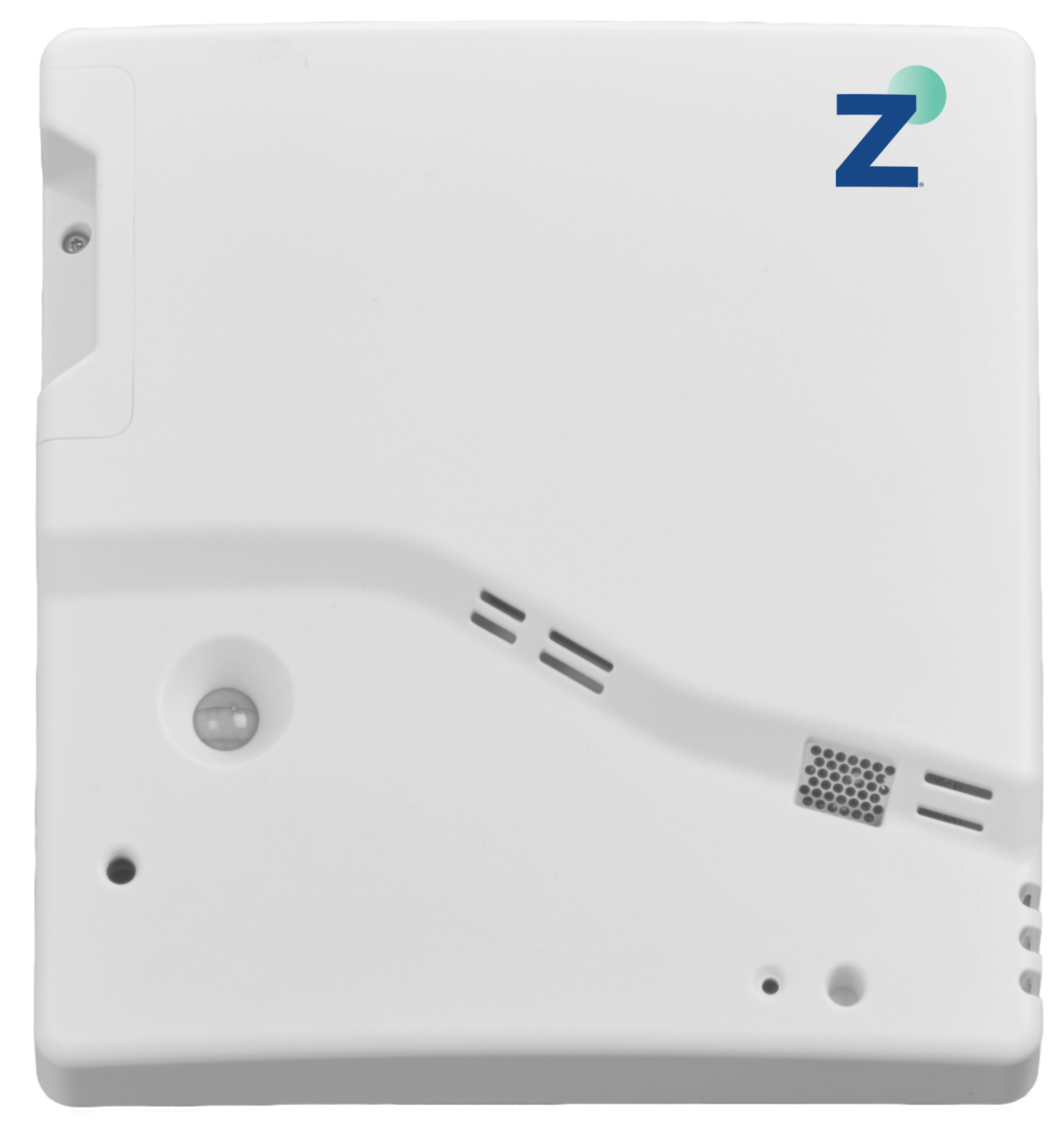
Zeptive is the only system in this shortlist with published battery-powered Wi-Fi and battery-powered cellular models, plus PoE/Ethernet and USB/Wi-Fi units. That range can cut retrofit work. The trade-off is battery charging and a software fee that Zeptive lists apart from its public hardware price.
HALO is a mature smart-sensor line that joins vape and air-quality sensing with safety events and many security links. Its all-in-one reach can help a district standardize. It also creates more settings and privacy questions to review, and new cable work may raise install cost.
Triton ULTRA is a PoE-first smart sensor with strong public detail on coverage, on-prem and cloud software, occupancy, audio analytics, alerts and integrations. Triton also publishes a ten-year warranty. Schools should still test maker accuracy claims in their own rooms.
FlySense 300 is Soter’s eighth-generation PoE detector. Its current data sheet lists a 14-by-14-foot coverage area, vape, elevated-sound and tamper sensing, a cloud portal and a ten-year limited hardware warranty. It does not list a battery option.
AURA is a PoE detector with app and SMS alerts and no stated camera or microphone. Its maker claims long-range vape, tobacco and cannabis detection. Since public price, warranty and deep integration details remain thin, a paid pilot with written success measures makes sense.
Start with the room and response plan. A good sensor in the wrong place, or an alert with no staff owner, will still fail.
Ask what the sensor measures: particle size, volatile compounds or both. “Detects vaping” does not prove it can name nicotine versus THC.
Test deodorant, body spray, cleaners, steam and normal room dust. Ask who tunes thresholds and how long calibration takes.
Check for cameras, recorded audio, keyword analysis, occupancy sensing, data retention and access rights. Tell students and staff what the system does.
Map SMS, email, app and dashboard alerts to named staff by building and time. Measure the time from alert to arrival, not only sensor speed.
Price power, cable, network ports, lifts, patching and staff time. Battery and cellular can help where wiring costs more than the hardware.
Confirm the exact VMS, access-control, API or relay link. Ask the vendor to show your version, not a logo wall.
Look for security screws, movement or proximity alerts, local alarms and an optional cage. Add repair time to the operating plan.
Compare hardware, labor, cable, licenses, support, replacement batteries and five-year maintenance on the same room plan.
Read what the warranty covers, how fast support responds, who replaces failed units and what happens when a cloud term ends.
The cheapest detector can become the costliest option when a school must add power and data to tiled bathrooms or older buildings.
A PoE line carries steady power and data. It suits new work, renovations and schools with spare switch capacity.
Battery Wi-Fi can speed a retrofit. Cellular can cover buses, outbuildings and areas beyond the school network.
For an older school with limited cabling, installation cost can matter as much as detector hardware cost.
Use the same room count and time span for every quote. This rough tool does not replace a site survey.
Illustration only. Enter quoted figures. It leaves out tax, financing, network switches and broad building work.
There is no sound rule that says “one per bathroom.” Start with each maker’s stated coverage, then adjust for the actual room and the response time you need.
Ask the vendor to mark each unit on a floor plan, state the coverage basis and test the farthest stall during the pilot.
Plan school vape detector placement →Two questions often get folded into one. Keep them apart when you review evidence and set goals.
Yes, environmental sensors can flag air changes that fit their vape profile and send staff an alert. Room layout, airflow, distance, calibration and masking attempts affect performance.
Best measure: tested detection rate and nuisance-alert rate in your own rooms.
A detector can support faster response and deterrence. It does not treat nicotine use on its own. Long-term change also depends on policy, consistent follow-up, student support and how the school uses alert data.
Best measure: repeat events, incidents by room and student support outcomes over time.
Vape detectors do not need conventional video. Still, sound analysis, keywords, occupancy data and retention rules can raise separate questions. Review the exact model, school policy and local law with counsel. Give students and staff clear notice.
Read the bathroom guide →Possible sources include district safety funds, state programs, federal school-safety funds and local grants. Rules and dates change. Match the stated purpose, confirm eligible costs and avoid buying before an award allows it.
See the funding checklist →Use these answers to shape a pilot and vendor questions. They do not replace the final product sheet, site survey or local policy review.
Ask for wired, battery and cellular options where each one makes sense.